
Disclosure: This post contains affiliate links. If you buy through them, Planty Shanty may earn a small commission at no extra cost to you. As an Amazon Associate, I earn from qualifying purchases. We only recommend gear we’d put next to our own plants.
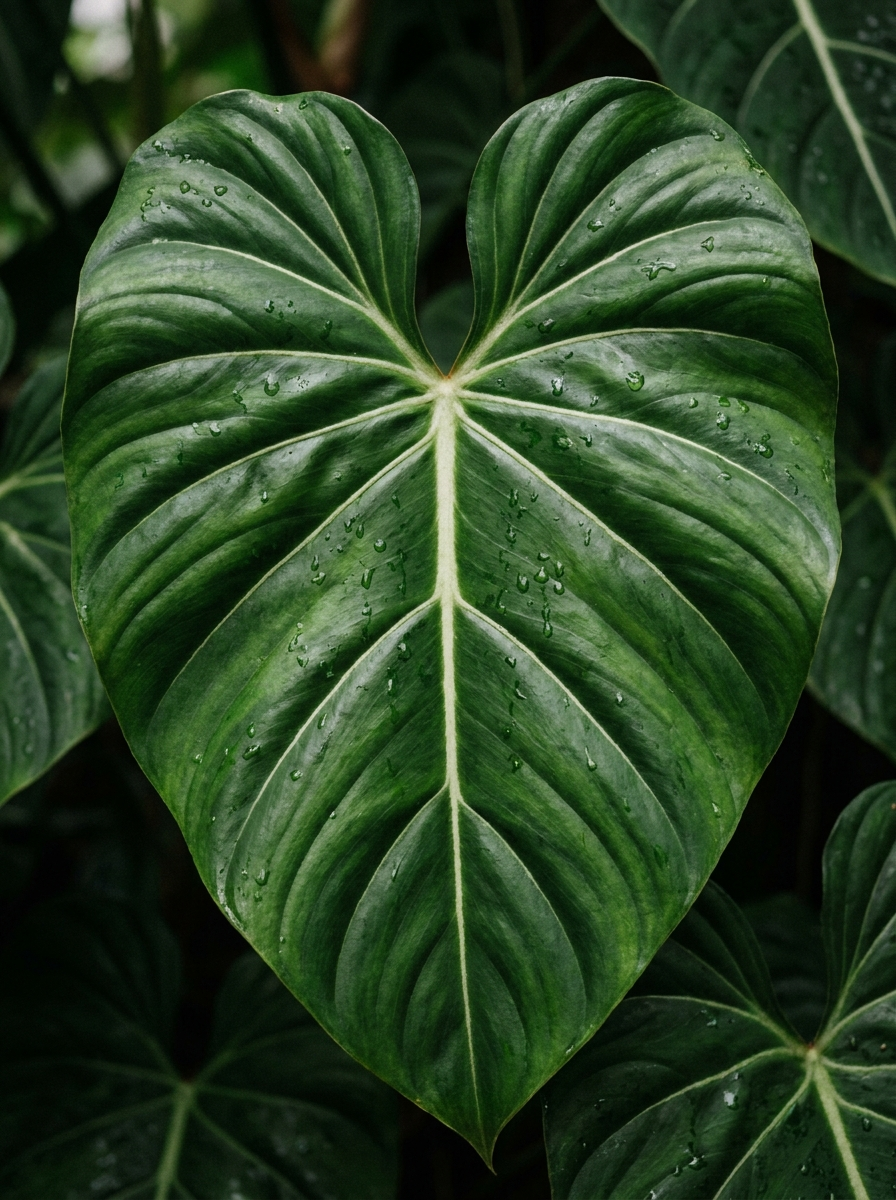
If the Monstera is the showstopper, the Philodendron is the effortless workhorse of the houseplant world — fast-growing, forgiving, and gorgeous whether it’s trailing off a shelf or climbing a pole. It’s one of the best plants for beginners and a favorite of collectors, and once you know a few basics it practically grows itself.
1. Meet the Philodendron
There are hundreds of varieties, but the easiest and most common include:
- Heartleaf Philodendron (Philodendron hederaceum) — classic glossy heart-shaped leaves; nearly indestructible.
- Philodendron Brasil — heartleaf with painterly lime-and-green variegation.
- Philodendron Micans — velvety, iridescent bronze-green leaves.
- Philodendron Birkin — upright, with fine white pinstripes.
Care is nearly identical across the trailing types, so master one and you’ve mastered them all.
2. Light Requirements
Philodendrons love bright, indirect light but are famously tolerant of medium and even lower light — which is why they thrive in offices and dim apartments.
- Best growth & variegation: bright, indirect light.
- Tolerates: medium to low light (variegated types may revert toward solid green).
- Avoid: direct sun, which scorches the leaves.
In a dark spot, a full-spectrum grow light keeps growth full and colorful.
3. Watering Routine
Let the top 1–2 inches of soil dry out between waterings. Philodendrons are more forgiving of a missed watering than an overwatering.
- Droopy leaves usually mean thirsty (they bounce back fast); yellowing leaves usually mean overwatered.
- A soil moisture meter takes the guesswork out.
Always use a pot with drainage and empty the saucer.
4. Ideal Soil Mix
As aroids, philodendrons want a chunky, airy, fast-draining mix. Use a ready-made aroid potting mix, or make your own with potting soil, perlite, and orchid bark.
5. Fertilizing
Feed with a balanced houseplant fertilizer every 4–6 weeks in spring and summer. Skip winter feeding when growth slows.
6. Temperature & Humidity
Comfortable at 65–85°F (18–29°C); keep above 55°F and away from cold drafts. They tolerate normal household humidity but grow lusher above 50% — a small humidifier helps, especially for velvety types like Micans.
7. Trail or Climb
- Trailing: let the vines spill from a hanging planter or high shelf.
- Climbing: give it a moss pole and the leaves grow noticeably larger.
Pinch or prune leggy vines with clean pruning shears to keep it bushy.
8. Propagation
Almost too easy:
- Snip a cutting just below a node (the bump where a leaf meets the stem).
- Root it in water (change weekly) or moist sphagnum moss.
- Once roots reach 2–3 inches, pot it up — or tuck it back into the same pot to make the plant fuller.
9. Common Problems
- Yellow leaves: usually overwatering — let it dry more.
- Brown crispy tips: low humidity or inconsistent watering.
- Leggy vines: more light + prune to encourage branching.
- Pests: treat mealybugs or spider mites with neem oil.
Frequently Asked Questions
Is Philodendron toxic to pets? Yes — it contains calcium oxalate crystals and is toxic to cats and dogs if chewed. Keep it out of reach.
Philodendron vs Pothos — what’s the difference? They look similar but philodendron leaves are thinner and heart-shaped with a softer texture; both are easy and cared for almost identically.
How fast does it grow? Very fast in good light — several inches of vine a month in the growing season.
Quick-Start Gear Checklist
- 💧 Soil moisture meter
- 🪴 Aroid potting mix + perlite
- 🌿 Houseplant fertilizer
- 🧗 Moss pole
- 💦 Humidifier
- 🐛 Neem oil
Give a Philodendron decent light and the occasional drink and it’ll reward you for years. It’s the perfect confidence-builder — and honestly still a collector favorite once you have a shelf full. Happy growing, from all of us at Planty Shanty. 🌿
Leave a Reply